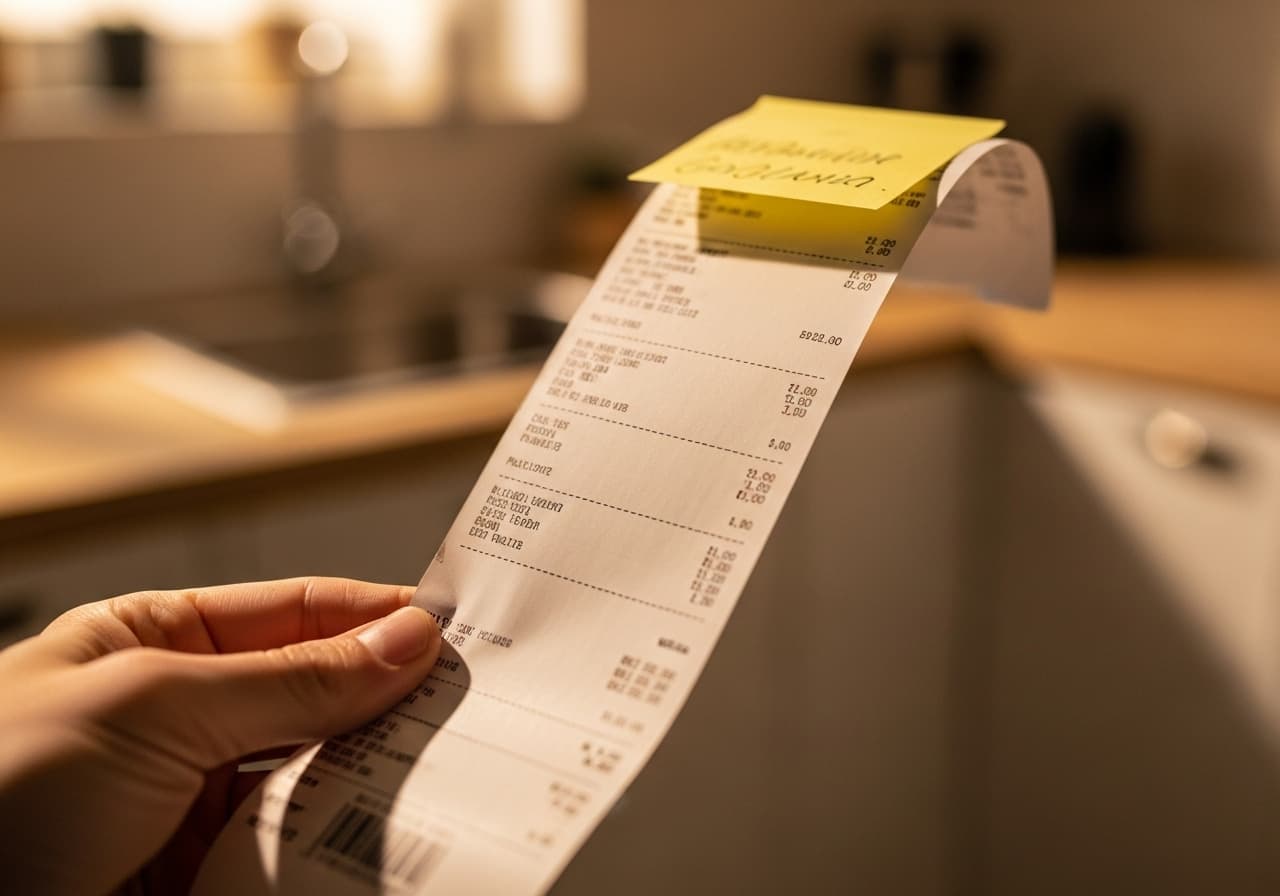
Food prices in the UK have jumped, and most families now feel every supermarket trip. This guide pairs really well with our piece on cutting food waste using Juna.
We will cover smart supermarket habits, budget-friendly ingredients and how Juna can quietly shave money off your weekly shop.
Start with a realistic budget, not a guess
Most families have no idea what they really spend.
- Add up the last 4 weeks of supermarket, corner shop and takeaway spending.
- Divide by 4 to find your true weekly food cost.
- Decide on a realistic target: even £10–£20 less per week adds up to £500–£1,000 per year.
Juna is built with this reality in mind. Our recipes lean on normal supermarket ingredients, not specialist health-shop items, and many members use Juna specifically to bring that weekly number down.
The power of one main shop
Every extra supermarket trip usually adds £10–£20 of unplanned “bits”. To make a single shop possible, you need:
- A clear weekly meal plan.
- A grouped, de-duplicated shopping list.
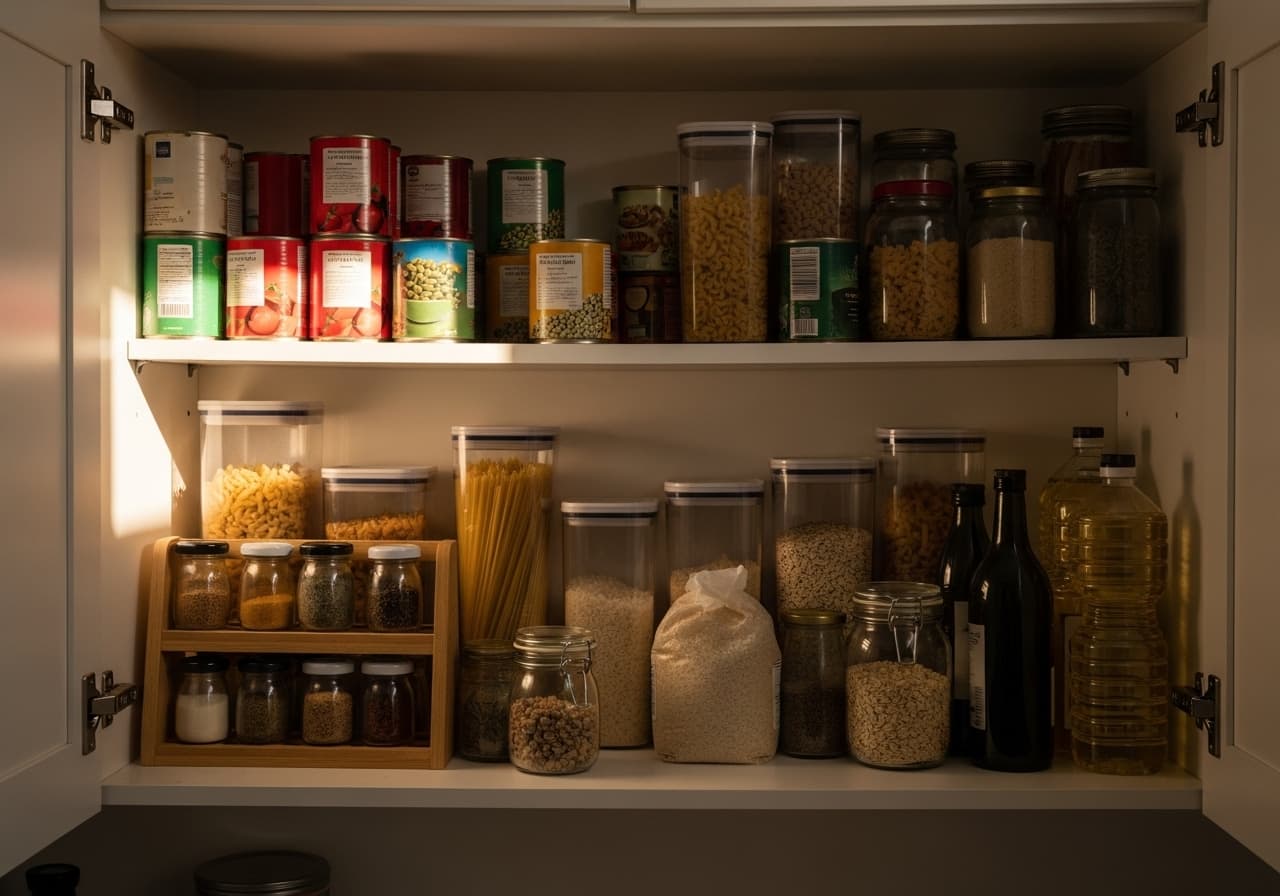
- A cupboard with a few reliable staples.
Smart budget swaps that still taste good
Meat and protein
- Swap some beef mince for pork or turkey mince.
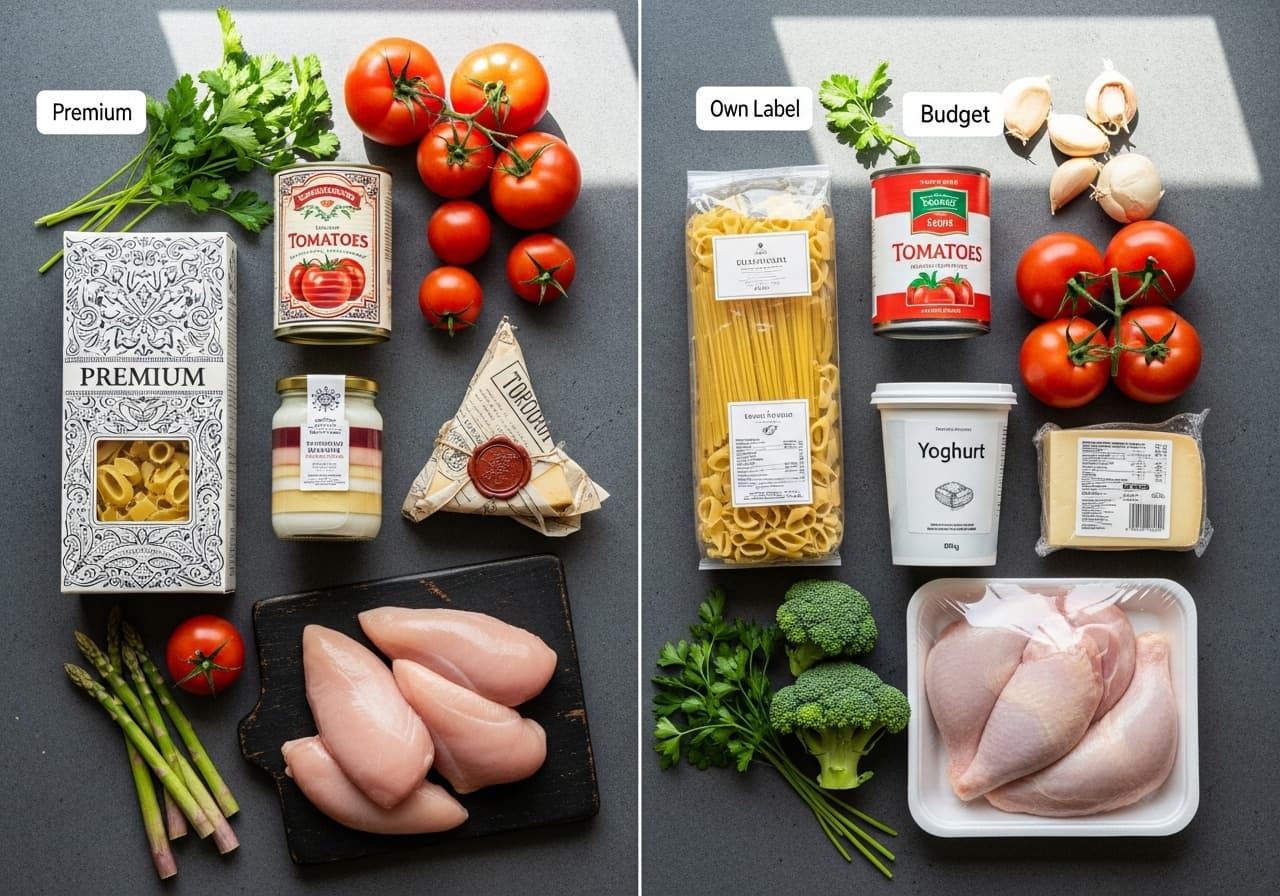
- Use chicken thighs instead of breasts.
- Use tins of beans or lentils to stretch meat dishes.
Fruit and veg
- Buy in-season when possible.
- Use frozen veg (peas, spinach, mixed veg) to keep quality high and waste low.
- Keep tinned tomatoes and beans as permanent staples.
You can see example Juna dinners and the kind of ingredients we use on our Free Recipes page.
Own-brand vs branded – where to save
Easy wins for own-brand include tinned tomatoes, beans, basic pasta, and flour. Try the “one level down” test by dropping one tier to see if anyone notices.
Reduce waste to reduce spend
Plan recipes that share ingredients and store leftovers properly for lunches. Juna automatically groups ingredients across your recipes so you use full packs where possible.